
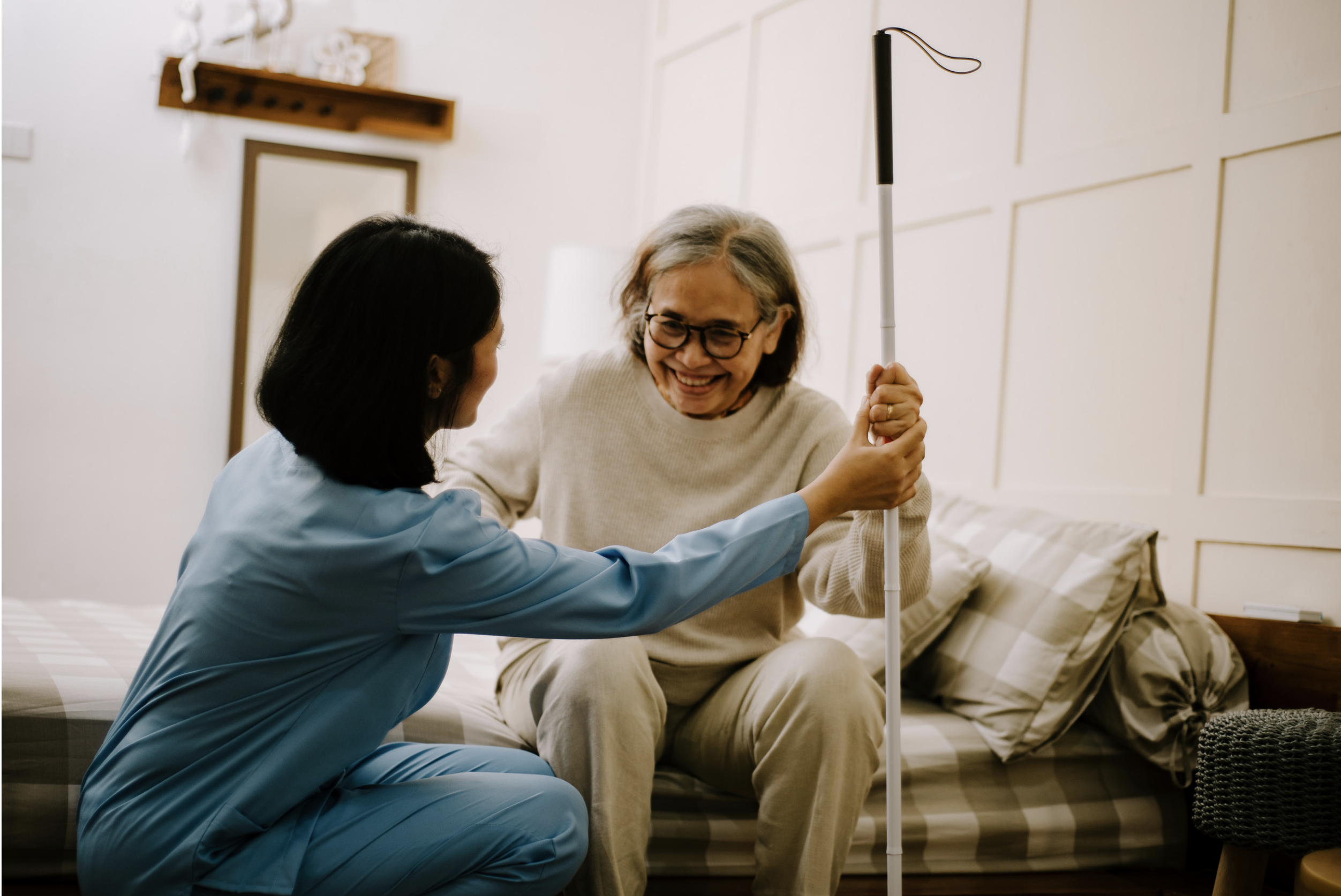
It’s the human side of senior living that inspired Harmony Gardens, our comedy series set in a retirement residence. Beneath the humour, the series explores the relationships, personalities and everyday realities of a community where older adults live and a diverse group of people come to work each day.
When you think about working in a retirement residence, you might picture nurses, personal support workers and healthcare.
They're certainly part of the picture. But walk into a retirement community on any given day and you may also find someone organizing a trivia tournament, planning a birthday party, fixing a resident's Wi-Fi, calming down an unhappy family member, serving lunch, leading an exercise class or trying to figure out who moved the bingo cards.
Working in senior living can be busy, unpredictable, funny, frustrating and incredibly rewarding.
And there are far more types of jobs than many people realize.
It's not just healthcare
Retirement residences need people with all kinds of skills.
Depending on the residence, the team might include nurses and personal support workers, but also recreation and activities coordinators, dining and hospitality staff, receptionists, maintenance workers, drivers, administrative staff and managers.
Some positions require specific education or professional qualifications. Others can be a great entry point for someone who enjoys working with people and is looking for a career with older adults.
No two days are quite the same
Working with people tends to make a job unpredictable and a retirement residence is full of people.
Residents have different personalities, needs, interests and expectations. So do their families.
One minute you may be helping organize an activity. The next, you're answering a question from a concerned daughter, helping a resident find something they've misplaced or dealing with a problem nobody anticipated that morning.
Being able to adapt and keep a sense of humour can go a long way.
Relationships are a big part of the job
One of the things that makes senior living different from many other workplaces is the opportunity to really get to know the people around you.
Residents aren't simply people you interact with for a few minutes. This is their home.
Over time, staff can learn who wants coffee before they're ready to have a conversation, who never misses an exercise class, who has a story for every occasion and who will absolutely correct you if you've forgotten that Tuesday is euchre night.
Those relationships can be one of the most rewarding parts of the job.
Families are part of the picture too
When you work with older adults, you're often working with their families as well.
Adult children may be worried about a parent's health, safety or happiness. They may feel guilty about not being there more often. Siblings may disagree about what Mom or Dad needs. And sometimes a family member's expectations may be very different from what the resident actually wants.
That can put staff in the middle of complicated situations.
Patience, communication and empathy become important skills, even in jobs that don't have "care" in the title.
The work can be emotionally demanding
Working in senior care isn't always easy.
Staff may develop close relationships with residents whose health changes over time. There can be stressful days, difficult conversations and periods when the workload feels particularly heavy.
That's why good workplaces pay attention not only to the well-being of residents, but also to the people caring for and supporting them.
Teamwork, appropriate boundaries, supportive managers and knowing when to ask for help all matter.
Older adults aren't all the same
This may sound obvious, but it's an important lesson for anyone considering a career working with seniors.
There is no single "senior personality."
Older adults can be funny, shy, demanding, generous, stubborn, adventurous, private, flirtatious, opinionated, mischievous and everything in between.
A 75-year-old and a 95-year-old may have very little in common other than the fact that we've put them both into a category called "seniors."
The best people working in senior living tend to see the individual before the age.
You don't necessarily need a healthcare background
If you like working with people, there are many ways to build a career around older adults.
A hospitality background might thrive in dining or resident services. An energetic organizer might be well suited to recreation and activities. Someone who's patient and comfortable with technology might enjoy helping residents navigate their devices. Strong communicators may find themselves drawn to administration, community relations or management.
For students and young people in particular, working in senior living can also be an opportunity to discover careers they may never have considered.
A sense of humour helps
There are serious moments in senior living, but there are plenty of funny ones too.
People don't stop joking, arguing, flirting, complaining, competing or getting themselves into ridiculous situations because they've reached a certain age.
And the people who work with them don't stop being human either.
Sometimes humour is simply part of getting through a hectic day together.
Could working with seniors be right for you?
You don't have to have always dreamed of working in senior care.
You might simply like people. You might be looking for work that feels meaningful. You might want a job where every day isn't exactly like the one before it.
And you might discover that you enjoy spending time with older adults far more than you expected.
Because a retirement residence isn't only a place where people receive care.
It's a workplace.
It's a community.
And, sometimes, it's pretty funny.