How to help older relatives stay safe online – without causing offence

Ann Hui Generations Reporter

May 5, 2025

About 18 months ago, Maria Wu received a call that left her shaken. Ms. Wu’s mother-in-law, who is in her 70s, had been on the receiving end of a so-called “grandparent scam” – a call from an anonymous number, with a voice that sounded like her son’sclaiming to need a large sum of cash for an emergency.

Luckily, Ms. Wu’s older relative was skeptical. Shecalled her son and then, after confirming the whole thing had been a fake, the police. Still, the incident was unsettling enough to prompt Ms. Wu’s family to discuss how to best protect their loved ones from the seemingly endless list of scams targeting seniors by text, phone and online.

It’s been a challenge. “It’s hard to give them all of the different scenarios of what to look out for,” said the 42-year-old Ms. Wu, who lives in Calgary. With her own parents, who are both in their late 70s, she’s tried to address the broad spectrum of disinformationonline, including fake news, hoaxes and outright fraud.

“I can see them starting to get overwhelmed, and I don’t want to scare them altogether.”

The challenge of helping older loved ones navigate the online world safely can become a significant source of stress and anxiety − on all sides. For older generations, who often don’t have the same level of experience with newtechnologies, being lectured by younger relatives or adult children may feel, at best, patronizing, and at worst, controlling. For younger generations, providing that support to older relatives can be a daunting – oftentimes thankless – task.

But with the variety and sophistication of scams and hoaxes increasing, so too is the urgency to have such conversations.

Fraud is the No. 1 type of crime committed against seniors in this country. Last year alone, the Canadian Anti-Fraud Centre received more than 21,000 reports of online fraud, totalling more than $470-million in losses. About 27 per cent of that dollar figure came from victims older than 60.

Because of this, Vanessa Iafolla, an anti-fraud consultant in Halifax, encourages families to have open and direct discussions with older relatives about their online activities.

“You have to try to step out of that parent-child relationship, not because you don’t respect your parents as your parents,” she said, “but because you need to see your parents as people who are susceptible to scams, like every other human being on the planet.”

Through these conversations with her parents, Ms. Wu said she’s seen her relationship with them slowly morph.

“It’s been a transition for us, changing from that parent-child dynamic,” she said. “They still have authority of their own life. But we just have more knowledge in this field.”

In the case of Jade, a 38-year-old Vancouver woman, that transition with her own mother has notgone smoothly. (The Globe is only using her first name to protect the privacy of her mother.)

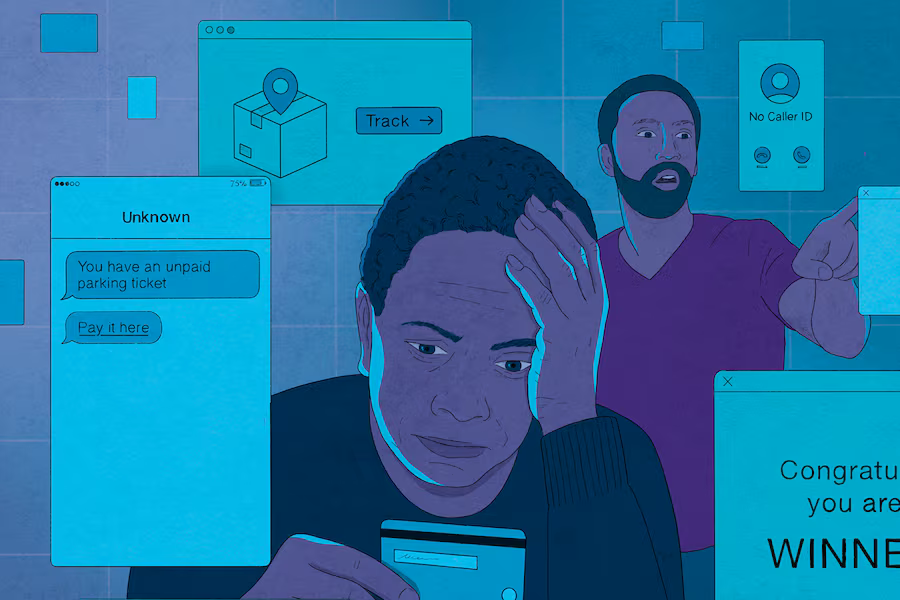
Jade said her mother regularly parrots YouTube conspiracy theories and sharesblatantly fake and AI-generated headlines online. (Many studies have shown that older adults are especially susceptible to fake news online. One study after the 2016 U.S. election, for instance, found that during the campaign, Facebook users older than 65 were seven times more likely to share links to fake news sites.)

Illustration by Ruby Ash

Trying to address the issue has led to conflict.

“It takes a lot of energy to figure out how to have these conversations, and there’s a lot of emotional stress on both sides. She feels like she’s being attacked, or that I’m telling her she’s dumb,” she said.

At some point, parents “change from becoming the authority figures in our lives, to us becoming authority figures,” she added.“And they both want that and resent it.”

Even when the older cohorts know they need assistance,asking for help can be a challenge.

Elvira Virelli, a retired teacher in her 60s, used to rely heavily on a tech-savvy younger couple who lived next door for online help. But they recently moved. “That was a big loss,” she said.

She navigates the online world increasingly nervously, ever-aware of the many scams. It’s why she avoids banking or shopping online.

Janice Towler, who also lives in Toronto, said she considers herself reasonably tech-savvy – at least for an 83-year-old. She usesan iPad to surf the web and do her online banking, and a black, bedazzled iPhone to e-mail and chat with friends.

Still, she relies on her son more than she’d like. “I don’t like to bother him,” Ms. Towler said. He’s always willing to help, but he doesn’t always have the time to walk her through things slowly.

She said she understands why some of her peers struggle with accepting help. “It’s hard to understand some of the technology. It’s just so new. They’ve felt in control, and now they’re at a disadvantage. So there’s probably some embarrassment too.”

Ms. Iafolla – who works with families who have been victimized by cyberfraud – acknowledged these conversationscan be difficult. But, she said, they’reeasier than having to pick up the pieces after a scam.

When explaining risks to older adults, “be on their team, and be on their side,” she said, adding that families should treat elderly loved ones with the same respect and curiosity they would give a friend or colleague.

Instead of going through the exhaustive list of hoaxes out there, it’s more helpful to focus on the traits most commonly used by scammers, she said. “Ask questions like, what knowledge do I have about this person? Is this person engaged in some kind of pressure tactic? Is this too good to be true?’”

Another potential solution isto bring in a neutral third-party.

At Cyber-Seniors, high-school students act as volunteer mentors, helping older members of the community navigate the online world.

“It’s a lot easier to have patience with someone you don’t really know,” said Macaulee Cassaday, the non-profit’s program manager.

And at a west Toronto condo tower earlier this month, a group of about a dozen seniors gathered for a technology workshop run by Janice Greenberg, a 71-year-old volunteer instructor with Connected Canadians, acharity with a similar mission.

Through Connected Canadians, Ms. Greenberg gives workshops to seniors on everything from ordering groceries online to recognizing phishing attempts.

“One advantage I have is that I’m sort of close to their age, so there’s a little bit of a connection,” she said.

For instance, when teaching about fake news, she’ll use the analogy of newspapers versustabloids at the grocery store checkout.

Among the participants at Ms. Greenberg’s workshop were Ms. Virelli and Ms. Towler. But it’s not just the older generations who have something to learn about the online world, Ms. Virelli said.She pointed to the way many younger people are glued to their phones.

“Younger people might have a certain dependence that older people might not have,” she said. “It’s not all positive one way and all negative the other.”

AI for Seniors – 5 Powerful Ways Older Michigan Adults Are Winning with Smart Tech

Older adults are increasingly using AI tools like voice assistants and chatbots to enhance daily living. Classes teach them about these technologies, fostering independence and connection, but caution is needed regarding misinformation and scams.

by Michael Hardy

Older adults today are exploring a host of AI-powered tools that can make daily life easier, from voice assistants to chatbots. Across the country, “scores of [classes] have sprung up” to teach seniors about AI. In one Illinois class, a retired professor called AI “probably the greatest technical revolution that I will see in my lifetime,” as she learned about ChatGPT and other tools. Programs like Michigan’s GetSetUp have made AI for seniors training easy and accessible across Michigan.

AI Devices Can Control Household

Voice-activated assistants – like Amazon’s Alexa, Apple’s Siri, or Google Home – let users control gadgets and get information hands-free. These devices can answer questions, play music, set timers, and even control smart lights or thermostats by voice. For example, a Google Home speaker can dim lights or play a favorite song when asked.

Research shows many older adults find these assistants easy to use: one study found seniors’ “first response to a voice assistant was positive, thanks to the simplicity of a speech-based interaction.” Voice assistants have also been studied as tools for aging in place. In one program, seniors reported that Alexa gave them a sense of companionship and security, and its reminders helped with daily tasks. In a 12?week exercise program, all 15 participants (ages 60–89) completed workouts guided by an Alexa device, reporting the system was “user-friendly, convenient…and enjoyable.”

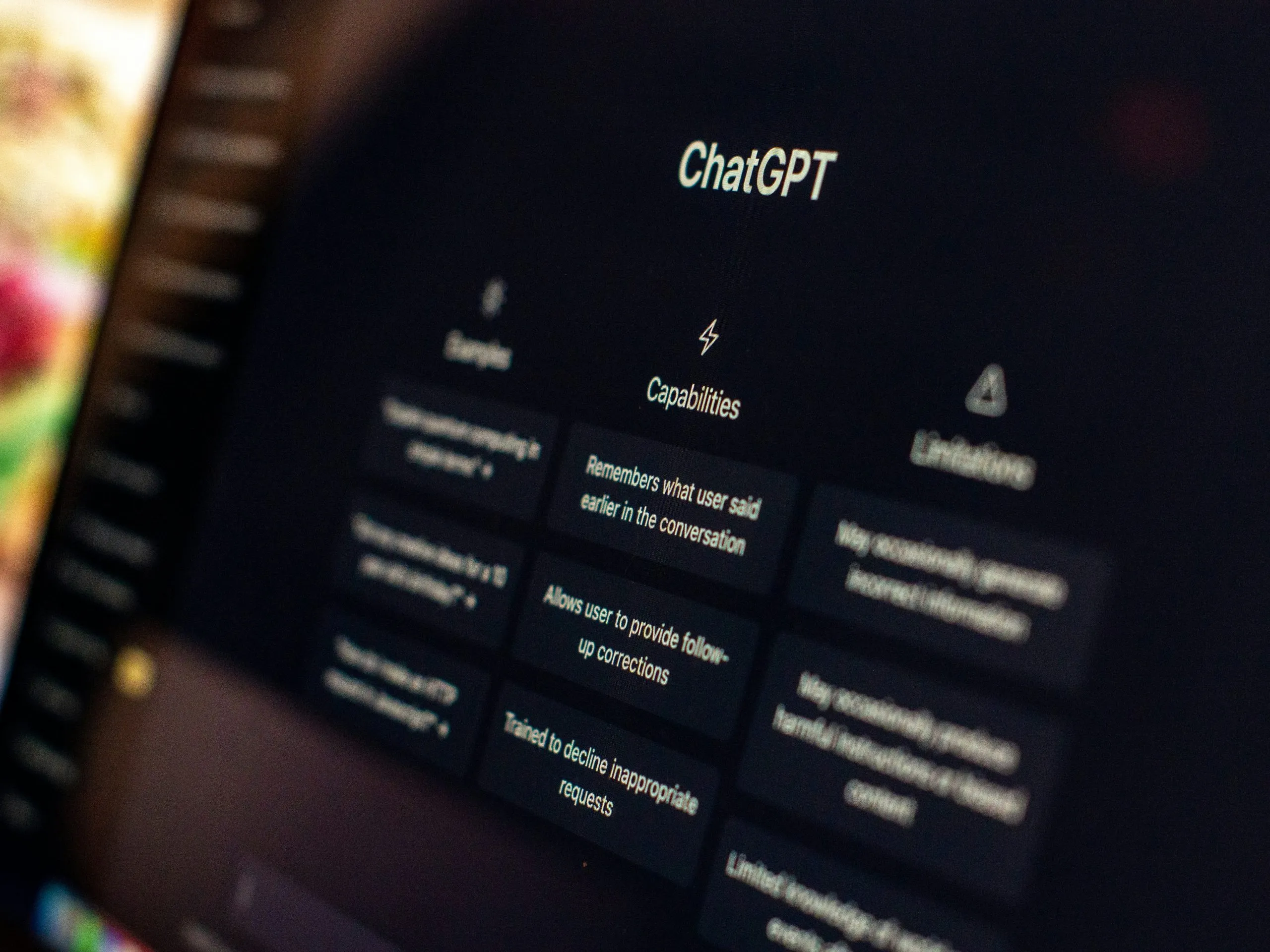
Generative AI chat tools are another new frontier. ChatGPT and similar programs can draft emails, answer questions, or write stories. Some tech centers now offer free classes just for seniors. For example, AARP’s Senior Planet runs online workshops to “make the most out of ChatGPT and other AI software.” A Michigan public library hosted a class promising “practical benefits” of ChatGPT, such as generating personalized text in seconds. After attending such courses, seniors have started experimenting with AI at home. One 89-year-old told the AP that she “eventually queried ChatGPT about how to treat a personal medical ailment” after a workshop. (Experts caution that AI health advice should be checked carefully.)

Smart health and safety devices are growing more advanced too. Wearable monitors and apps can track heart rate, steps, and sleep. Studies show simple fitness trackers are easy for many seniors to use and can boost activity levels. More sophisticated devices like the Apple Watch include automated fall detection: if a hard fall is sensed, the watch can call emergency services.

Researchers note that wearables “could help monitor falls, alert caregivers…and predict falls.” Many older adults welcome these tools: studies find seniors generally want to stay independent and are “willing to accept new technologies that support their independence”. In practice, 80% of people over 65 wear a personal emergency alert device at some point, though some hesitate to use it.

Medication reminders and apps also help. A recent trial found that using an easy drug-management app “can improve drug adherence, reduce adverse events and pave the way for better disease management” among seniors taking many prescriptions. Simple voice features in smart assistants can set pill alarms too.

Getting Started: Free Classes and Community Help

Seniors Tak AI Class
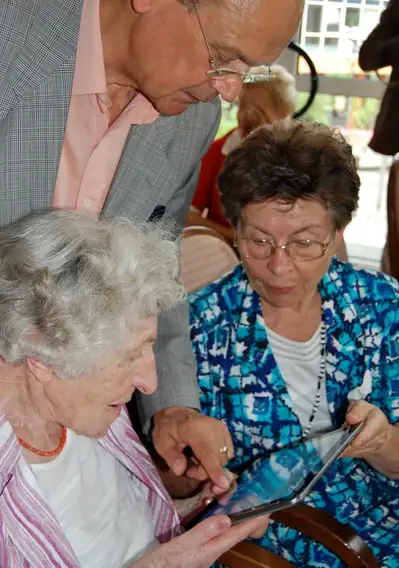
Senior learners at a community center explore a tablet computer with volunteer help. Community workshops and peer-led classes can guide older adults into using new technology. (Photo: Ute J. Braun/Universität Stuttgart, Wikimedia Commons)

Seniors curious about AI don’t have to dive in alone. There are many no-cost or low-cost resources and classes. AARP’s Senior Planet program offers free online tech classes nationwide, from basic internet skills to AI topics. GetSetUp, an online learning platform for older adults, partners with Michigan to provide thousands of free peer-led classes. Michigan’s health department reports that nearly 268,000 seniors took GetSetUp classes, on topics from fitness to “how to use popular software programs and apps.” One state health official said making GetSetUp “available for all residents at no cost…helps them live happy, healthy and engaged lives.”

Local libraries and senior centers often host workshops on technology. For example, a library in Trenton, MI, advertised a “Practical, User-Friendly AI Class for Older Adults,” promising to explore “the practical benefits of using…ChatGPT” for writing letters or solving problems. Nonprofits like Cyber-Seniors connect seniors with tech-savvy student volunteers. Cyber-Seniors offers free phone and video help and webinars on everything from online browsing to health apps.

Benefits and Cautions: What Experts Say

Experts say AI offers real benefits for older adults but comes with risks. On the upside, AI tools can boost safety and social connection. Voice assistants can remind users of appointments or bridge distances by calling family on command. Chatbots can help with writing or answer questions when family isn’t around. “This technology offers new possibilities for people with sensory, physical, and cognitive challenges,” note researchers at the University of Maryland, because voice control can overcome barriers like small buttons or poor eyesight. Seniors have reported using voice assistants to look up health information, check the weather, or stream music, and they appreciate the “efficiency and convenience” of speaking rather than typing.

However, specialists warn seniors to stay vigilant. Studies show older adults trust AI-generated information less than younger people. A University of Michigan poll found that about 74% of adults over 50 would have little or no trust in health information if AI generated it.  Nearly a quarter of seniors admitted they lack confidence in spotting false health information online. Experts emphasize that seniors should double-check AI advice, especially on important topics like finance or medicine. “Helping older adults better understand AI-generated information…may help address these concerns,” recommended a recent study.

Security A Concern For Seniors

Security is another concern: scams and deepfakes powered by AI have targeted the elderly. One analysis warned seniors may be more susceptible to fraud and online misinformation fueled by artificial intelligence. To balance benefits and risks, trainers advise a healthy skepticism. As one instructor told an AP reporter, “Overall, the suspicion on the part of seniors is good – but I don’t want them to become paralyzed from their fears.” In other words, seniors should learn to use AI tools and enjoy their help, while remaining cautious.

“By gaining skills with these technologies, older adults can open new doors,” says Dr. Natasha Bagdasarian of Michigan’s health department. Programs like GetSetUp have given hundreds of residents “valuable resources to combat social isolation and access new knowledge, significantly improving their quality of life.” With user-friendly tools, supportive classes, and a bit of guidance, tech-curious seniors can leverage AI to stay connected, informed, and safe.

Click, Connect, Thrive: The Cyber-Seniors Revolution – Macaulee Cassaday

In this powerful and heartwarming episode of Life. Reimagined., host Stacey sits down with Macaulee Cassaday.

Macaulee is the inspiring co-founder and current Program Director of Cyber-Seniors, a nonprofit dedicated to bridging the digital divide for older adults through intergenerational mentorship and tech training. Macaulee shares the origin story of Cyber-Seniors, from a high school volunteer project inspired by her grandparents to an internationally recognized movement fueled by empathy, innovation, and youth leadership. She candidly reflects on her personal journey—including her and her grandfather’s shared battle with cancer—and how technology became a lifeline for connection and healing. Listeners will hear powerful stories of transformation: from the seniors who learned to connect with loved ones across the globe, to the young mentors who gained unexpected wisdom from their elders. The conversation also covers the evolving role of tech in healthcare, the risks of online scams, and why continued learning and curiosity are essential at any age.

Poilievre Targets Scammers with New Measures Aimed at Protecting Seniors

Libby is joined Macaulee Cassaday, Program Director at Cyber-Seniors and Digital/Cyber Strategist Ritesh Kotak.

Conservative leader Pierre Poilievre is making a direct appeal to Zoomers, unveiling a new set of measures aimed at cracking down on the rise of sophisticated scams—particularly those targeting seniors. But how do these proposals differ from existing protections and penalties already in place? We break it down.

Breaking barriers: Seniors learn to navigate AI with ChatGPT

How older adults in Calgary are adapting to the digital age

by Anita Surujbally

When a senior at the Calgary Public Library asked how she could make calls without a phone, a technology mentor turned to ChatGPT for an answer. Moments later, she had a list of solutions she never knew existed.

As artificial intelligence (AI) technology becomes an increasingly dominant force in daily life, curious seniors are actively learning to use tools like ChatGPT to navigate their world more effectively.

From finding answers to personal questions to learning how to make the most of AI-assisted technology, there are many ways in which older adults can interact with these tools.

However, their journey isn’t always straightforward and many still need guidance to feel confident using the new resources.

At the library’s Tech Mentors program, seniors appear to be a demographic particularly curious about using tools like ChatGPT.

Davina Jehring, Tech Mentors volunteer coordinator, gets many questions from this age group.

“I noticed that ChatGPT and all the cool things that you can do with it come up more frequently,” she said.

Even if they don’t end up using it, older adults are interested in learning more about the new technology. They want to know what it is and what the tool can do because it has become such a dominant part of our culture.

However, according to Jehring, teaching older adults to use ChatGPT isn’t as simple as it might seem. For younger generations, using AI tools might feel like second nature. But for seniors, the technology is completely unfamiliar—even the concept behind it is hard to wrap their heads around—and they need extra support to understand how to interact with it.

Volunteers are teaching them how to write the correct prompts for ChatGPT, how to type and what kind of answers to expect.

“It’s not just about going to a site, typing something into a box, and pressing enter. It’s about how we interact with these tools,” said Macaulee Cassaday, program director of Cyber-Seniors, a non-profit organization that provides older adults with technology training.

“If you’ve ever been with someone unfamiliar with AI, you can hear them asking questions in a way that won’t get them the right answer. It’s about learning how to ask the right questions and understanding the responses.”

Volunteers from both organizations spend time explaining the nuances of interacting with ChatGPT and other AI tools, helping seniors understand that how they phrase their questions matters.

“We take it for granted because we’ve used these tools for so long. For seniors, it’s not as intuitive as we think,” said Cassaday.

For some, however, AI is more than just a tool—it’s an opportunity to stay engaged in a rapidly evolving world.

Rick Williamson, 84, is a retired IT advisor. He has been eagerly exploring AI, recently diving into Gemini and AI assistants. 

He finds the technology easy to use. Living in a retirement community, he sees many accomplished peers still catching up with new technology. One of them, a 99-year-old woman, has been baffled that her world suddenly seems to be entirely on her iPhone.

“She’s sharp as a tack, but it’s a big adjustment,” Williamson said.

From his small office at the seniors residence, he juggles multiple tasks, including talking on his iPhone, working on his laptop and switching between Microsoft tabs as he helps field requests for help with various uses of technology from his friends and peers. 

He’s built a strong reputation for assisting others with their Androids and iPhones, and he is enjoying helping fellow seniors stay connected.

For Williamson, technology isn’t a barrier—it’s an opportunity. While many assume seniors struggle with tech, he wants to dispel that stereotype. He’s not just keeping up. He’s leading the way, bridging generations and showing that age is no limit to playing with technology innovation.

Intergenerational Relationships and Healthy Aging: Building Networks of Support

By creating meaningful connections, sharing caregiving responsibilities, and developing community-based solutions, communities can help older adults lead fulfilling lives.

By Athena Chan on March 14, 2025 9:45 am

Aging is a universal experience, and the need for strong support systems has become more crucial. “It takes a village to support older adults” is particularly relevant when discussing aging, as older adults benefit greatly from shared responsibility in emotional, social, and instrumental support. Whether through family, friends, or community programs, fostering strong networks can significantly impact the well-being of aging individuals.

The idea that a collective effort is needed to care for older adults aligns with traditional values found in many cultures. Historically, extended families lived together or near one another, ensuring that older family members received care and companionship. However, many older adults live alone or in facilities far from their families today. Without a strong support network, they may struggle with loneliness, mobility issues, and emotional distress.

A community-oriented approach can help address these challenges. Family members, neighbors, and volunteers can offer assistance with daily tasks, transportation, and social engagement. Research has shown that older adults with strong support networks experience fewer mental health issues and a greater sense of belonging.  Programs like AARP’s Community Connections help older adults find local resources, meet new people, and participate in activities that improve their quality of life.

Interestingly, studies have found that older adults aged 50 and above who own pets with limited social connection with family or provide care for family members report higher levels of depression and lower self-rated health compared to those non-pet owners with limited social connection with family members outside the household. While caring for loved ones can be fulfilling, it can also be stressful and physically demanding. This highlights the importance of shared caregiving responsibilities and ensuring that older adults receive support rather than bearing the burden alone.

On the other hand, older adults who maintain strong family ties and close relationships across generations tend to report better overall health and greater life satisfaction. A study from the National Institute on Aging found that older adults who regularly interact with family and friends have lower rates of depression and cognitive decline. Encouraging family connections, whether through weekly calls, visits, or shared activities, can foster emotional stability and overall well-being.

Addressing isolation and loneliness through intergenerational programs

One of the biggest challenges older adults face, particularly those who live alone or have lost a spouse, is social isolation. Loneliness has been linked to an increased risk of heart disease, dementia, and other health concerns. However, innovative intergenerational programs are helping to bridge this gap.

Increasingly, universities and community organizations are pairing college students with older adults for mutual benefit. These programs allow students to gain valuable life lessons and wisdom while older adults experience companionship and a renewed sense of purpose. For example, The Big & Mini Project connects older adults with young people through video calls, creating meaningful friendships that reduce loneliness and improve mental well-being. Similarly, NYU’s Aging Incubator pairs students with seniors to exchange stories and perspectives, strengthening intergenerational ties. By fostering connections between generations, these programs combat loneliness and create a more compassionate and inclusive society where people of all ages feel valued and supported.

The psychological and social benefits of intergenerational relationships

Research has consistently shown that strong intergenerational ties can mitigate stress, enhance psychological well-being, and promote purpose in life. Meaningful social engagement helps older adults maintain cognitive function, improve their mood, and even increase longevity.

In Japan, where the population of older adults is among the highest globally, intergenerational programs are an integral part of society. Initiatives such as Silver Human Resources Centers allow retirees to work part-time in their communities, maintaining a sense of purpose while contributing to society. Other programs, such as intergenerational daycare centers, combine childcare and eldercare, fostering bonds between children and seniors that enrich both groups’ lives.

Strategies for building sustainable, intergenerational aging solutions

Creating strong support networks for older adults requires a collective effort from communities, policymakers, and service providers. Here are some strategies to enhance family resilience and promote healthy aging:

  1. Encouraging family involvement: Families should be supported with resources to help them balance caregiving responsibilities. This includes offering respite care, financial support, and educational resources to ensure that older adults receive the best possible care.
  2. Expanding community-based programs: Governments and nonprofits should invest in senior centers, meal delivery programs, and transportation services to keep older adults connected and engaged. Organizations like Meals on Wheels America provide food and valuable social interaction.
  3. Promoting housing solutions for intergenerational living: Many cities are exploring housing solutions that accommodate multiple generations under one roof. This approach allows older adults to receive daily support while maintaining independence. One example of this is the intergenerational home-sharing program in NYC. This program ensures economic security and builds meaningful social connections
  4. Advocating for policy changes: Policymakers must prioritize aging-friendly policies, including accessible healthcare, retirement benefits, and support for caregivers. Countries like the Netherlands have developed progressive models, such as allowing university students to live in nursing homes at reduced rent in exchange for social engagement with older residents 
  5. Leveraging technology for connection: With the rise of digital tools, older adults can stay connected through social media, video calls, and virtual communities. Training programs that teach seniors how to use technology can significantly improve their social interactions and reduce loneliness. Platforms like Cyber-Seniors help older adults learn digital skills while connecting with younger mentors.

As you can see, intergenerational relationships and strong support networks are necessary to promote healthy and happy aging. By creating meaningful connections, sharing caregiving responsibilities, and developing community-based solutions, communities can help older adults lead fulfilling lives. As populations age, it is critical to adopt sustainable, intergenerational approaches that embrace the wisdom and contributions of older generations while providing them with the care and companionship they deserve.

Photo: Ridofranz, Getty Images

URI program to improve digital competency, engage generations earns national recognition

Cyber-Seniors matches URI students with older adults for tech education, intergenerational companionship

URI students in the Engaging Generations: Cyber-Seniors program help clients navigate through their smart phones. The students work with older adults around the state, helping them take part in the digital world.

KINGSTON, R.I. — Feb. 17, 2025 — A University of Rhode Island program intended to “bridge the technology and generational gap” as students help teach older adults to use technological devices has received national recognition from Generations United, a non-profit organization that aims to improve the lives of children and older adults through intergenerational collaboration.

The organization has named URI’s Engaging Generations: Cyber-Seniors a “program of distinction,” listing it among “an elite class of intergenerational programs that demonstrate excellence in bringing together people of different ages for mutual benefit and positive impact.” URI professor and Cyber-Seniors Principal Investigator Skye Leedahl plans to accept the award at the organization’s international conference in June.

The Engaging Generations: Cyber-Seniors program, based on URI’s Kingston Campus, aims to increase digital competency in older adults while also bringing the gap between generations. The program pairs older adults with URI students to provide training and technical support they need to access online resources, work and meet remotely, and virtually communicate with family and friends. Dozens of students from multiple disciplines—including human development and family science, public health, communicative disorders, and more—travel each week throughout the state to meet older adults in senior centers, libraries, and housing developments to provide technology training on their devices, as well as intergenerational companionship.

“URI Cyber-Seniors continues to be a mutually beneficial experience across the generations,” said Leedahl, department chair and professor of human development and family science. “Students are building communications skills, life skills, and getting the opportunity to share what they know and what they’ve learned, which can boost their confidence on their academic journey. For older adults, it helps them feel part of the digital world. They appreciate being around the students, who help them find information, apps and programs that can enrich their lives. Programs like this really opens doors for them.”

The program is moving into a new phase, providing support specifically for health-related technology, thanks to a new grant from the Rhode Island Office of Healthy Aging. URI Cyber-Seniors is partnering with the Rhode Island Adaptive Telephone Equipment Loan Program, which provides digital devices for qualified individuals. URI students from various health disciplines will provide training and tech support at facilities such as IN-SIGHT, and AskRI, as well as various libraries and senior centers around the state.

The new phase further expands the reach of Cyber-Seniors, which has shown statistically significant improvements in older adults’ digital competence, technology use, and quality of life, and in strengthening social bonds, according to a study conducted by Leedahl’s team. The URI program has helped participants feel more connected to their communities, increase contact with family and friends, and generally improve their feelings of well-being and overall health.

In previous work, Leedahl and colleagues found participants’ use of technology, as well as their digital competence and comfort level using the devices, increased significantly after being in the program. More than 76 percent of participants reported daily usage of an iPad after having previously never used such a device. Their competence levels—especially using video calls, obtaining information from public authorities or public services, seeking health information, and being able to participate in a telehealth appointment—improved significantly. Many reported feeling less isolated and less lonely after learning how to connect via the devices.

“It has helped me because now I can be involved with other people who are using the tablet or the phone and be in the conversation,” one participant quoted in the study reported. “Before, I just had to sit there, and I didn’t know anything was going on. Now, I can participate.”

“It actually has impacted my mental wellbeing because with FaceTime, I have a friend, my best friend who lives far away, and I was able to see her for the first time in two years. That made me feel really good,” another participant said.

Overall, most participants felt Cyber-Seniors prepared them to utilize the devices, and access online resources on their own. Still, many expressed a desire to continue with the training program to further expand their knowledge and maintain the new connections they’ve established.

“The program provides students meaningful service-learning experience and helps improve digital inclusion among the older population,” Leedahl said. “It is unique in that it meets an important community need for older adults while also building career readiness skills for future professionals. Both generations learn from each other, and they seem to have fun, too!”

Donna Dusell: Still time for senior tech support

Jan 15, 2025

It has been my pleasure over the past year to coordinate Greenfield Community College’s Cyber Seniors program, providing one-on-one support and technology workshops for senior citizens at sites throughout Franklin County. It has been gratifying to hear from participants regarding how this program has addressed a wide range of needs, from learning basic technology skills to navigating challenging smartphone and computer issues.

I also appreciate the city of Greenfield and the Greenfield Senior Center for their partnership with this project. Their work to obtain funding through MA Elder Affairs, and willingness to serve folks within the wider GCC service area, has allowed us to expand support throughout Franklin County from New Salem to Rowe.

The grant was scheduled to end as of Dec. 31, 2024, but we have been allowed to use unspent funds to extend services through February and are currently able to offer 10 hours per week of individualized support. Because we are in the process of winding down, we have shifted most services to the GCC campus. After February, we will be able to offer very limited support through GCC’s Community Engagement works study program, and we are hopeful that we will be able to once again fund a more robust program later in the year.

If you are a senior citizen who would needs tech help, I encourage you to visit engage.gcc.mass.edu/seniors/cyber-seniors/ or call 413-325-3195 to set up an appointment.

Donna Dusell

Greenfield

Sierra Gold Senior Center Partners with Cyber-Seniors for Technology Education Program

Grass Valley, CA – The Sierra Gold Senior Center, located at 231 Colfax Avenue in Grass Valley, is thrilled to announce a new initiative designed to help older adults develop crucial technology skills. In collaboration with Cyber-Seniors, a nonprofit organization serving California, the center will host an 18-month series of classes tailored specifically to older adults eager to navigate electronic devices and the digital world with confidence.

Sierra Gold Senior Center Partners with Cyber-Seniors for Technology Education Program

Starting Monday, November 4, the Sierra Gold Senior Center will welcome community members to an 8-week session held every Monday from 1:30 to 3 p.m. This program is designed to empower participants by building foundational skills across a range of topics, from navigating smartphones and tablets to connecting with Nevada County services.

“Many of us learned our technology skills at work and didn’t use computers at home, and for some, the shift to a more digital world has been challenging,” says Leslie Lovejoy, Executive Director of the Sierra Gold Senior Center. “Our community has expressed a strong need for this type of support, and we’re excited to address that need in partnership with Cyber-Seniors.”

Through a structured curriculum, participants will learn how to use their devices to simplify everyday tasks, such as setting up video calls with family, online banking, social media, and more. The program also includes guidance on accessing essential services like healthcare, Social Security, and DMV renewals—all increasingly conducted online. For those who complete the 8-week course, Cyber-Seniors will provide a $25 gift card and a training certificate.

The Sierra Gold Senior Center serves Nevada County’s seniors and is open Monday through Friday from 9 a.m. to 4 p.m. In addition to technology support, the center offers a range of activities, educational programs, and social services to enrich the lives of local seniors.

Registration and Contact Information: To register for the free technology classes, please contact the Sierra Gold Community Senior Center at (530) 273-4961. All skill levels are welcome, so whether you’re a complete beginner or looking to enhance your tech skills, we’re here to help.

The Best Tech Support Services for Seniors


Lawrence Forbes, Gear
Sep 21, 2024 8:30 AM

If an elder in your life needs help with their computer, phone, email inbox, or smart thermostat, they can bug you for help—or they can call on a dedicated IT professional trained to help seniors.

I love my 78-year-old mother and do whatever I can to help. But when she has computer trouble, she spins into a frustrated tech spiral, starts lashing out, and I want nothing to do with her. The independent woman who taught me to be resourceful by sending me to the dictionary now wants her results the easy way—for me to fix it in seconds—while I see an opportunity to teach her how to help herself. Consequently, we end up bickering.

We aren’t alone. According to the Pew Research Center, there are currently 62 million adults over the age of 65 in the US. That number is expected to reach 84 million—and leap from 18 percent to 23 percent of the population—by 2054. That’s a lot of seniors, and a heck of a lot of tech support.

“Sometimes learning from non-family members works best, because we tend to be more patient with other people,” says Skye N. Leedahl, a professor of human development and family science at the University of Rhode Island. Leedahl performs research as the university’s principal investigator that focuses on quality of life and health issues for older adults. The university has a tech support program of its own, a collaboration with a North American tech-support nonprofit known as Cyber-Seniors.

And that’s not the only such organization. Tom Kamber, the executive director of Older Adults Technology Services (OATS) and the Senior Planet educational program at AARP says in an email: “Older people are increasingly using tech for learning about healthy living and medical issues, about finances and professional skills—some are still working—and simply to stay sharp mentally.”

Kamber and a corps of volunteers launched OATS in 2004 to promote digital literacy among our older peers. They achieve it through their Senior Planet program (more below) as well as their advocacy and scholarship. OATS.org offers a glimpse into the organization’s 20-year history, its outreach and connectivity programs, and its online community portal/social network. The website also has an interactive finder that allows you to enter your zip code to find a Senior Planet partner site near you.

And those are just the industry OGs. The good news is there is a wealth of options—some of them are even free. The tech support sites listed below cater specifically to seniors.

Having other tech options is definitely going to help Mom and I. Having a neutral third party iron out her technical issues means I won’t have to resent the pressure of being the resident “tech guru,” and she won’t have to resent my attempts to train her. It should free me up to focus on appreciating the time we have together. Here’s hoping it does the same for you and the seniors in your life.

Senior Planet From AARP

Created in 2015, the novice-friendly Senior Planet website boasts a cohesive compendium of free online content: articles, courses, lectures, demo videos, and workshops aimed at our elders (in English, Spanish, and Cantonese). The offerings range from learning how to use a smartphone to virtual exercise classes to in-person meetups. The premier senior destination served upwards of half a million people last year and shows no signs of slowing down; they even have their own podcast. The organization started with one in-person location in New York City and now boasts satellite locations in North Country, New York; Montgomery County, Maryland; Denver; San Antonio; and Miami. Virtual one-on-one training—via Zoom—is also available.

Service hours are 9 am to 8 pm ET, Mondays through Fridays; 9 am to 2 pm ET on Saturdays. Email info@seniorplanet.org or call (888) 713-3495.

Cyber-Seniors

Cyber-Seniors was inspired by a 2014 documentary that followed a community of Canadian seniors learning to use the internet for the first time. The North American org (it operates in Canada and the US) offers training and free one-on-one tech support by pairing seniors with student volunteers for an intergenerational experience that both parties learn from. There are volunteers who speak English, Spanish, and French. The site features a newsletter, weekly events calendar, webinar, toll-free tech support, training for volunteers and seniors, merchandise, clips from the movie, and a section dedicated to cybersecurity protection. The organization has North American partners across two-thirds of the continent that have Cyber-Seniors programs (the University of Rhode Island is one of them).

Service hours are 8 am to 6 pm ET. Email scheduling@cyberseniors.org or call (844) 217-3057.

Quincy

Quincy was founded by Ryan Greene while he was a student at Columbia Business School in 2020 to help his grandfather and the other mature adults in his life having tech trouble. Remote tech support sessions are conducted via secured connections and recorded, should you want to revisit them in the future. Quincy also offers fraud protection: A tech support team reviews your emails, texts, voicemails, and social media for con games. There’s even a blog with posts aimed at non-techies. Plans start at $5/month, and the company also offers 14 minutes per month of free support to Medicare recipients

Service hours are 8 am to 8 pm ET. Message Quincy’s staff via the chat support feature on the website or call (208) 557-8466.

Candoo

CEO and creator Liz Hamburg created Candoo in 2019 after having “experienced firsthand the frustration that my parents have felt dealing with technology.” Plans for one-to-one tech concierge support consist of a single one-hour session ($75) or an annual membership ($228/year for singles, $340/year for couples). Support and training are also available in English and Spanish at the enterprise membership level for senior centers, nursing homes, and other care facilities. Memberships also include a free how-to library, videoconferencing tools, online shopping guides, and a downloadable tablet comparison sheet.

Service hours are 9 am to 8 pm ET. Email support@candootech.com or call (646) 758-6606.

The Smarter Service

Started by business partners Terry Dry and Greg Boles as “a personalized tech concierge service for older adults,” the Smarter Service offers its customers personalized one-on-one technical assistance based on the complexity of their digital needs. Customers are assigned the same concierge every time they use the service. In-person training is available in the greater Los Angeles and Orange Counties in California; Scenic and Scottsdale, Arizona; and Columbus and Indianapolis, Indiana. Support is also available for senior centers, nursing homes, and other retirement communities. Smarter Service offers free consultations to help you pick a plan. Annual memberships start at $125 per month, but other tailored packages are available.

Service hours are 9 am to 5 pm PT, Mondays through Saturdays. Email info@thesmarterservice.com or call (805) 765-8348.